
Acro Classes
Strength, Control, and Expression Through Movement
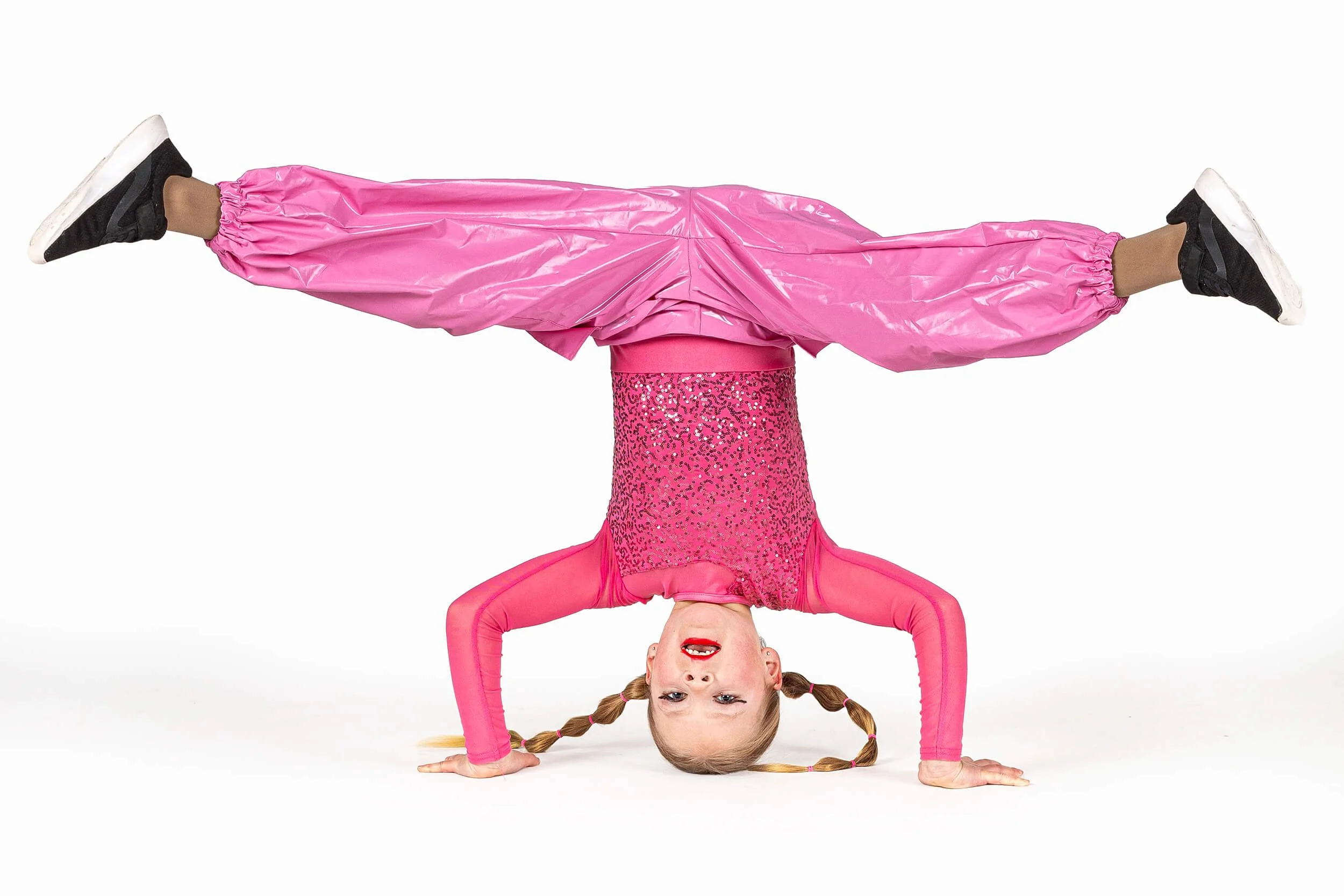
Acro dance combines classical dance technique with acrobatic movement to create expressive, dynamic performances. Dancers learn to blend strength, flexibility, and control with fluid movement, so acrobatic skills feel connected and purposeful rather than separate from the dance.
In acro classes, dancers work on skills such as handstands, bridges, rolls, and other foundational acrobatic movements. These skills are taught alongside dance technique so dancers can move safely, confidently, and with intention.
At Forever Dance, acro classes focus on proper progressions and safe skill development, giving dancers the time they need to build strength and coordination before applying skills to choreography.
Prerequisites for Acro Classes
There are no prerequisites for acro classes. Dancers are placed in age-appropriate groups, and skills are taught at multiple levels to ensure every dancer can progress safely and confidently.
What Your Dancer Will Learn in Class
Acro classes focus on developing strength, flexibility, balance, and coordination while teaching dancers how to integrate acrobatic skills into expressive movement.
Rather than rushing into choreography, classes spend significant time practicing and refining skills so dancers understand how movements should feel and how to perform them safely.
Through acro training, dancers develop:
Strength and flexibility for acrobatic movement
Balance, coordination, and body awareness
Safe technique for foundational acro skills
Confidence transitioning between dance and acrobatics
Control and clarity in expressive movement
Class Levels and Age Groups
Acro classes are grouped by age to ensure appropriate pacing, expectations, and skill development.
Acro 3-4 Yrs
This class introduces young dancers to basic movement, balance, and early acro skills in a playful and supportive setting. Dancers explore simple shapes, rolls, and coordination activities while building comfort and confidence in class.
Acro 3–4 dancers perform in the year-end recital only.

Acro 5-9 Yrs
In Acro 5–9, dancers begin developing stronger acro skills while continuing to build flexibility and control. Classes focus on practicing foundational tricks at different levels based on experience, allowing dancers to progress safely and steadily.
Dancers in this age group perform in the year-end recital. Costumes are purchased for recital performances.
Acro 10+ Yrs
Acro 10+ classes focus on refining technique, strength, and skill consistency. Dancers work on more advanced progressions while learning how to connect acro skills seamlessly into choreography.
This group performs in the year-end recital and participates in one competition during the season. Costumes are purchased for performances.
Attire and Dress Code
Appropriate attire allows dancers to move safely while supporting strength, flexibility, and control during acro training.
Acro dancers are expected to follow the studio dress code, which typically includes:
Fitted dancewear that allows full movement
Bare feet or footwear as directed by instructors
Hair neatly secured away from the face
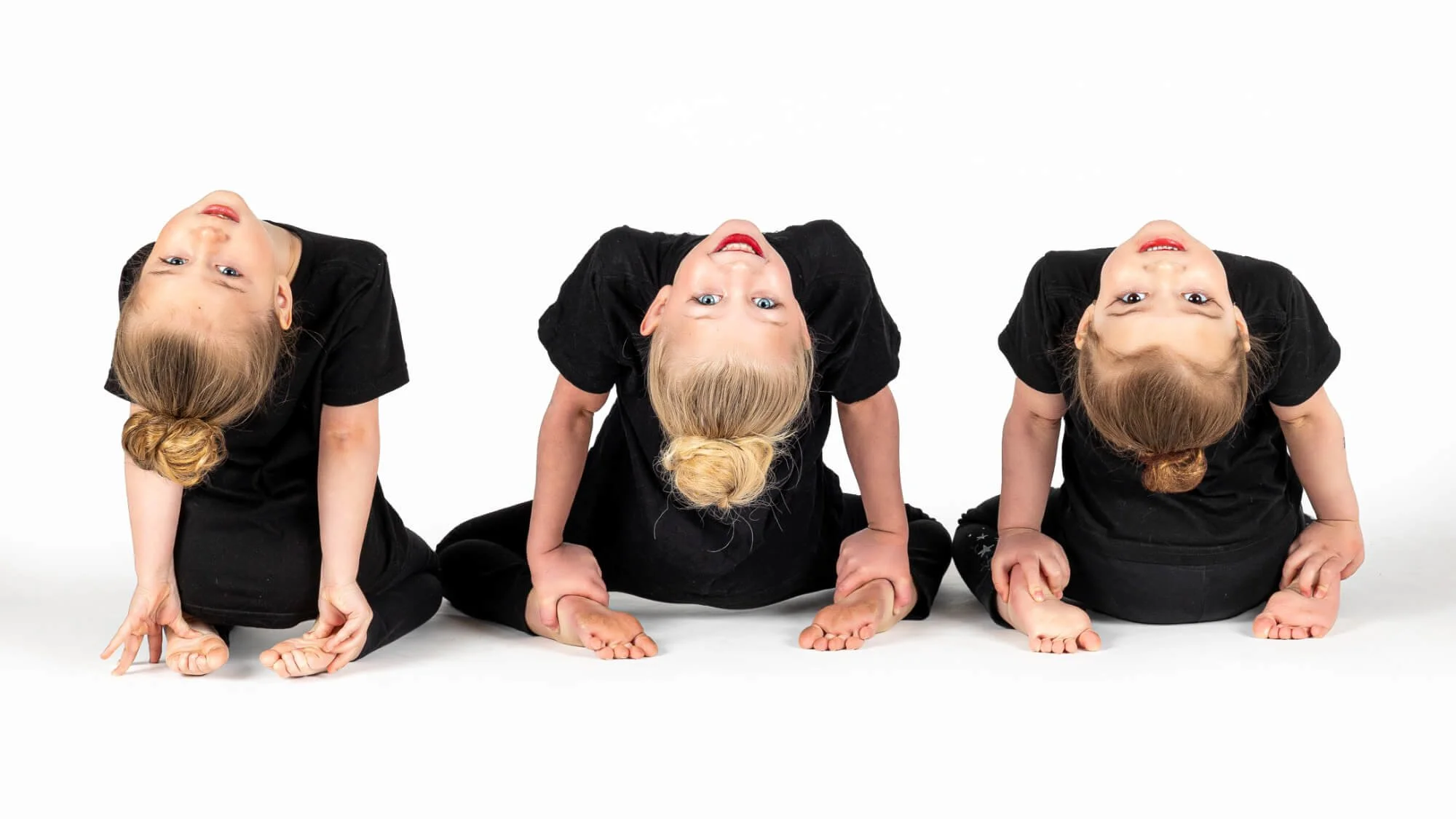
For Acro 3–4, dancers typically wear black leggings and their Forever Dance black t-shirt for performances. Costume details for other age groups are shared with families as the season progresses.
For full details on required attire and footwear by class, please review our studio dress code.
Build Strength and Confidence Through Acro
Acro classes at Forever Dance focus on safe progressions, strength building, and clear technique. Dancers are given the time and guidance needed to develop skills confidently before applying them within choreography.
With an emphasis on proper alignment and steady development, acro training supports both physical growth and expressive movement in a way that feels challenging, achievable, and enjoyable.